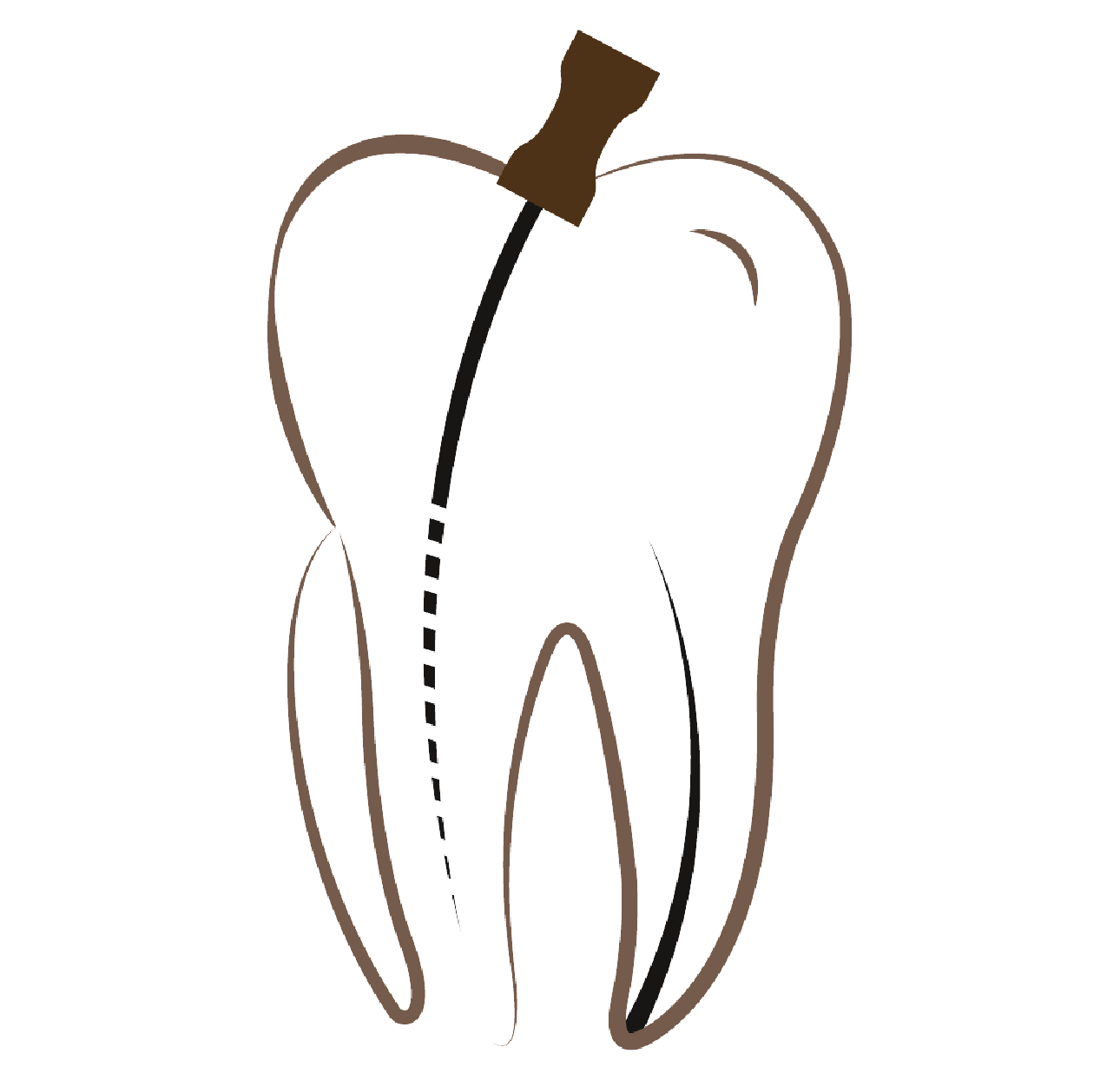


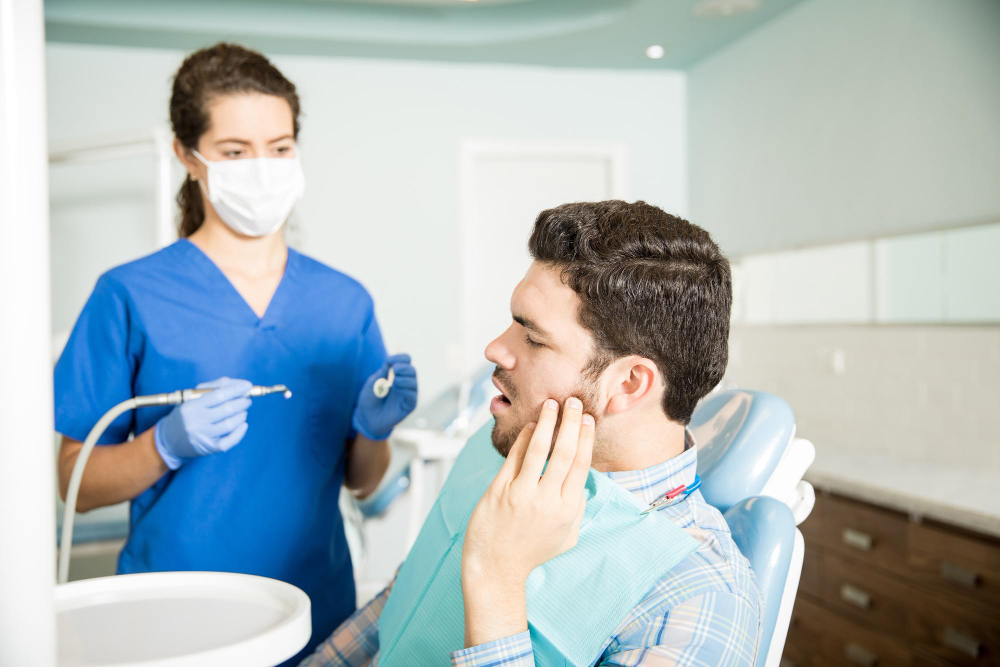
The purpose of a root canal is to clean out an infected pulp of a tooth and safeguard it from any further harm. While a slight soreness is expected, any increase in pain, swelling, fever, or foul odor should be considered alarming. For all your needs regarding Root Canal Treatment in Brookefield, Bangalore, Dental Avenue offers professional assessment and treatment to our patients in Brookefield and nearby Kundalahalli.
This article will walk you through the signs, the cause, and when to consult a dentist. It should be remembered that symptoms do not guarantee infection, and hence a thorough examination and a dental X-ray may be required.
What Is Normal After a Root Canal?
It is normal to experience some level of tenderness in the region of the affected tooth within several days of the procedure, particularly during chewing. The affected area could also experience some level of soreness following the wearing off of the anaesthesia. According to the American Association of Endodontists, you should see your dentist if you experience any persistent pain and pressure, swelling, difficulty with your bite, loss of the temporary filling, or return of former symptoms.
The progress of the healing process is very important. It is less of a problem if the healing is progressing towards improvement.
Warning Signs of Infection
Pain That Gets Worse
Pain that is very intense and is increasing each day, disturbing your sleep or not going away even after taking medicine recommended by the dentist can be due to infections, inflammation near the roots, a high filling, or a crack.
Some patients may experience mild sensitivity during the initial days following the procedure. But if there is intense pain or pressure, it is not something to be overlooked. Talk to your dentist and tell him how the pain has progressed after the procedure.
Swelling Around the Tooth
Be aware of any swelling of the gum, cheek, or jaw. A pimple on the gum is usually a sign of an abscess. Any swelling that persists or appears after treatment requires an immediate visit to a dentist.
Swelling of the face may be an indication that the infection is spreading past the tooth which was treated. Never try to touch or pierce the swollen area as it will further irritate it and not eliminate the infection source.
Signs of Fever or Malaise
The occurrence of fever, chills, unusual tiredness, and swollen glands indicates that the infection is spreading past the treated tooth. You should see a dentist immediately if you experience fever, particularly if it is accompanied by swelling or increased pain of the face.
Even if the fever is mild, it is necessary to have a dentist evaluate your condition. He/she will take into account the symptoms you have, your medical history, and the state of the tooth.
Discharge of Pus, Bad Taste, or Halitosis
If you have bad breath, discharge of pus from the gum, or a salty taste, it may mean that the abscess has started discharging to the mouth. Although it may ease the pressure, it does not mean that the infection is gone.
It may happen that patients feel better after the discharge, but they are actually wrong. The infection may still exist in the area of the root of the tooth.
Pain When Biting
Early tenderness can happen during healing. However, severe or persistent pain when chewing, or pain that returns after the tooth feels comfortable, requires evaluation.
The filling may be too high, causing extra pressure when you bite. In other cases, infection, inflammation, or a crack may be present. A simple bite adjustment may solve the problem, but only an examination can identify the actual cause.
Symptoms Returning Later
The treated tooth may start experiencing problems months or years later. The bacteria can penetrate into the tooth through the leakage of the crown or filling, a canal can fail to heal completely or a crack can develop. As mentioned by the American Association of Endodontists, the tooth that has undergone treatment previously can experience pain or disease and require treatment.
This is one of the reasons why regular dental checkups are still crucial following root canal treatment. Early detection of the problem can allow your dentist to treat the issue before it develops further.
Sensitivity to Temperature Changes
A tooth that has had proper root canal treatment will not react to temperature changes since the pulp is no longer present inside the tooth. In case you experience this symptom, the sensation could be caused by another tooth, issues with your restoration or incomplete canal treatment.
Not all sensations are connected with root canal treatment only. There might be decay, cracks, sensitivity or any other issue with the adjacent tooth.
What Should You Do If You Notice These Signs?
Contact your dentist and inform him of the time at which these symptoms started, whether they are getting better or worse, and if there is any swelling, fever, drainage or change in the bite pattern. Do not wait until your symptoms go away because infections can persist even if symptoms subside temporarily.
Until then, keep the site of infection clean, brush carefully and follow the dentist’s directions. Take soft food if eating causes pain and do not use the tooth that has undergone treatment to chew anything.
Use only the medicines that your dentist or doctor recommends or prescribes for you. Do not place aspirin on the gums and do not use any leftover antibiotics. Antibiotics alone cannot resolve the issue and may create other health problems.
Why Can Infection Happen After Treatment?
Despite the fact that Root Canal Treatment in Brookefield, Bangalore works successfully for the majority of people, complications may arise. The possible reasons for them are:
- Presence of bacteria within an inaccessible canal;
- A fresh cavity or leakage of the restoration through which bacteria enter;
- Delayed crown placement, the crown was damaged or improperly sealed;
- Cracking of the tooth which has reached the inner parts of it;
- Chewing too much and damaging the tooth before its restoration;
- Slow healing of the infection in the root area.
Dentists usually inspect the tooth itself, analyse the bite, look at your gums and make digital X-rays before suggesting the procedure. It helps to determine whether it is an infection, recovery, bite problem, gingival disease or cracked tooth.
How Is an Infected Tooth Treated?
It depends on the cause and nature of the problem. They can include:
Adjusting bite or repairing restoration: The dentist can adjust the filling that is too high. For a loose or damaged filling or crown, the dentist will repair or replace it.
Re-treatment: The old filling material is removed, and the canals cleaned and sealed again. A new crown or restoration will likely be needed to protect the tooth.
Draining: If an abscessed tooth has pus in it, it may require drainage. Antibiotics are not always required for dental infections. Whether you need them or not depends on your case.
Endodontic surgery: In some cases, a minor surgical procedure performed on the root tip allows the dentist to remove the infection from the area without extracting the tooth.
Tooth extraction and replacement: If the tooth is cracked beyond repair, extraction will be the most reasonable treatment choice. Implantation or a bridge will be used as the replacement option.
For Root Canal Treatment in Brookefield, Bangalore, you can find a good dental professional who will describe the procedure in clear terms to you.
When Is It a Dental Emergency?
After Root Canal Treatment in Brookefield, Bangalore, seek urgent dental care for severe pain, rapidly increasing swelling, fever, or difficulty opening your mouth. Go to an emergency hospital immediately if swelling affects breathing or swallowing, spreads toward the eye or neck, or you feel seriously unwell. These symptoms may indicate an infection requiring urgent medical attention.
For local guidance, contact Dental Avenue through its official clinic website. Describe your symptoms instead of waiting.
How Can You Protect the Tooth After Treatment?
Follow your dentist’s instructions and complete the recommended crown or final restoration on time. Brush twice daily with fluoride toothpaste, clean between your teeth, and attend regular check-ups.
Avoid chewing ice, hard objects, or sticky foods with the treated tooth. A mouthguard may help if you grind your teeth or play contact sports.
Do not ignore a loose crown, a damaged filling, or a new crack. Early repair can help stop bacteria from reaching the cleaned canal system.
Frequently Asked Questions
Is pain after a root canal always a sign of infection?
Not necessarily. Post Root Canal Treatment, mild pain in the first few days may be considered a normal part of recovery. More serious cases of pain, along with swelling, fever, pain that continues for days or becomes worse, are signs of an infection.
Can an infected tooth be saved?
Yes, many times. Various treatments such as retreatment, restoration repair, drainage or even endodontic surgery can help to save the tooth based on how it's affected. Tooth extraction is considered if the tooth is severely cracked or can't hold a restoration.
Should I take antibiotics for swelling?
Don't self-medicate with antibiotics. Antibiotics are required for certain dental procedures in particular cases, but dental treatment should be sought out rather than prescribing antibiotics yourself.
Can I wait if swelling goes away?
No. Swelling that drains or disappears can return because the underlying problem may remain. Arrange a dental examination even if pain temporarily improves.
Read Dental Avenue’s guide to choosing the best dentist in Brookefield, Bangalore for more local dental care guidance.
Get Professional Help Early
In cases of Root Canal Treatment, getting evaluated early can help ease pain and prevent infections. Dental Avenue will be able to evaluate your symptoms and tell you what comes next.
Make an appointment on the clinic’s website, and inform the team that you have just undergone root canal therapy and are seeing signs of problems. If you are seeking dental emergencies in Brookefield, Bangalore, ensure to communicate your condition upon calling.