


Tooth Sensitivity: Causes and Triggers
Tooth sensitivity occurs when the protective outer shell is damaged or the gums have pulled away, exposing the inner, more sensitive part, which is connected to the nerves in the tooth. Hence, any contact with hot, cold, sweet or acidic products results in a sharp shock of pain. Worn enamel, gum recession, tooth grinding, cavities, and cracked teeth are the most common tooth sensitivity causes. Sometimes, mild sensitivity may go away on its own; however, prolonged pain should be investigated by a professional.
Your sip on hot chai tea or your bite on ice cream is immediately followed by a painful zing, and you put it down. It is easy to brush such pains off as "sensitive teeth," but there's definitely more going on than you think.
What Actually Happens Inside a Sensitive Tooth?
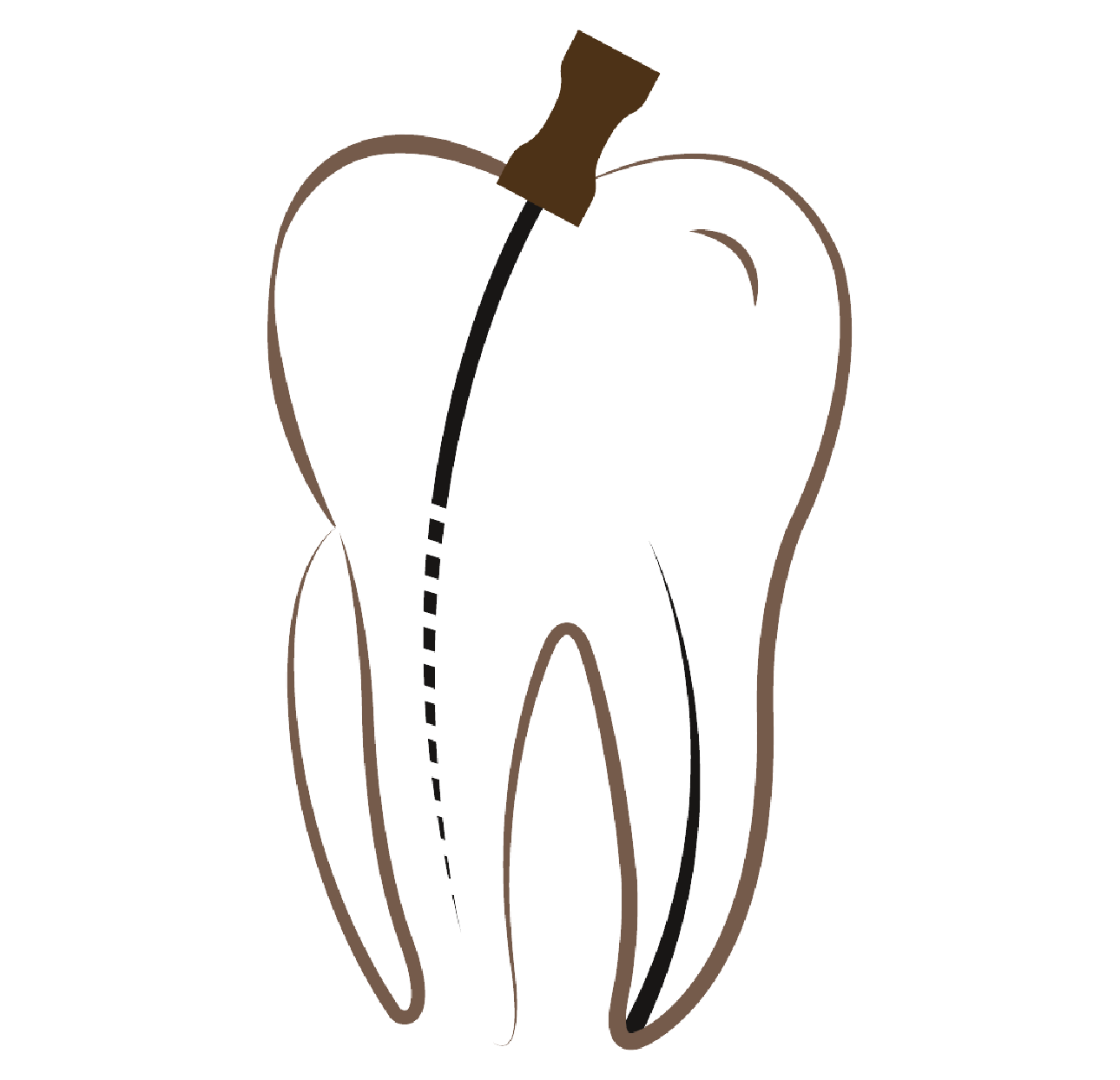
Every tooth has a hard outer shell called enamel. Under it is dentin, a softer layer full of tiny channels that lead straight to the nerve. On the root, the gum normally covers the dentin and keeps it protected.
When enamel wears thin or the gum pulls back, those channels are left open. Hot, cold or sweet things can then reach the nerve, and you feel a short, sharp pain. Once the trigger is gone, the pain usually fades within a few seconds.
What Are the Most Common Tooth Sensitivity Causes?
Several habits and problems can expose the dentin. These are the ones dentists see most often.
Worn Enamel
Enamel doesn’t vanish overnight. It wears down slowly, a little at a time. Acidic food and drinks do most of the damage, things like fizzy cold drinks, nimbu pani, pickles, and citrus fruits. Brushing too hard adds to it. And once enamel is gone, your body can’t grow it back. That’s why protecting what you still have matters so much.
Receding Gums
When gums shrink, the root shows. The root has no enamel, so it reacts quickly to hot and cold. Gums can recede from hard brushing, gum disease or just getting older. If your gums also bleed, read our post on bleeding gums and when to see a dentist.
Grinding and Clenching
Bruxism refers to unconscious grinding of your teeth while asleep. This results in erosion of enamel and cracking of teeth over time. One possible indicator is a tired and painful jaw the following morning. Bruxism is often caused by stress, which we discuss in detail in our article on 6 Ways Stress Impacts Your Teeth.
Cavities and Cracked Teeth
A cavity breaks through the enamel and lets triggers reach the inside of the tooth. A crack does the same. If only one tooth is sensitive, a cavity or crack is a strong possibility. Old fillings that are worn or leaking can also cause it.
Whitening and Dental Work
Teeth whitening can make teeth sensitive for a short time. So can a recent filling, cleaning or other dental treatment. This kind usually passes on its own, but tell your dentist if it doesn't.
What Triggers Tooth Sensitivity?
Different people react to different things. These are the usual triggers:
- Cold: ice cream, cold water, or cold air when you breathe in
- Hot: chai, filter coffee or hot soup
- Sweet: sweets, mithai or sugary drinks
- Sour or acidic: lemon, pickles, tamarind or pani puri water
- Touch: brushing or flossing near the sore tooth
- Pressure: biting down on something hard
Pay attention to which ones bother you most. Telling your dentist can help them find the cause.
Is It Sensitivity, or Something More Serious?
Ordinary sensitivity is quick. You feel a sharp zing, and it’s gone within seconds. A deeper problem feels different. If the pain hangs around for a minute or longer after the trigger, throbs on its own, or wakes you up at night, the nerve inside the tooth may be inflamed or infected. When that happens, you may need a filling or a root canal. Not sure which one? Our guide, How Do You Know If You Need a Root Canal or Just a Filling?, explains how dentists tell the difference.
What Can You Do at Home for Sensitive Teeth?
A couple of easy steps can solve the problem of sensitive teeth:
- Get a soft-bristled toothbrush and brush your teeth softly. Hard brushing wears away the enamel and pushes the gums back.
- Choose a toothpaste made for sensitive teeth and use it daily, as it takes some time to work. Consult your dentist about it.
- Limit the intake of acidic and sugary foods and drinks, as well as rinse your mouth with water afterwards.
- Delay brushing your teeth a bit after eating anything acidic as the enamel becomes softer for a certain period of time.
- Use a night guard prescribed by your dentist if he/she detects that you have the habit of grinding your teeth.
- Flossing is an everyday routine for good gum health.
Such measures will help you cope with the condition, but not solve the problem.
When Should You See a Dentist About Sensitive Teeth?
Consider scheduling an appointment if you experience any of the following symptoms:
- Sensitivity lasting longer than a few weeks
- Pain persisting for more than a minute after the trigger
- Pain localized to one particular tooth
- The appearance of holes, cracks or chips in your teeth
- Swelling or bleeding gums
- Pain while chewing
- Pain causing you to wake up during the night
- Swelling in your face or gums
Do not allow the above-mentioned symptoms to progress. A small cavity is relatively simple to repair but can lead to a requirement for a root canal treatment in case of deeper decay. Our recommendations on how often you should see a dentist are discussed in the appropriate article.
How Do Dentists Treat Sensitive Teeth?
It depends on the cause. Your dentist will check your teeth and gums, and may take an X-ray. Common treatments include:
- Desensitizing treatment or fluoride on the sensitive area
- A filling or bonding to cover a cavity, a worn spot or an exposed root
- Gum treatment if gum disease or recession is the cause
- A night guard to protect your teeth from grinding
- Root canal treatment if the nerve is damaged or infected
If you're looking for sensitive teeth treatment in Brookefield, the first step is always a proper exam. Treating the cause works much better than just numbing the pain.
How Can You Prevent Tooth Sensitivity?
To prevent tooth sensitivity, you should take care of your teeth in the same way you would to maintain good oral hygiene. This means brushing your teeth twice daily with a soft-bristled brush, flossing daily, avoiding too many acidic foods or drinks, and not biting into bottle caps or packaging.
Where Can You Get Help in Brookefield?
Dental Avenue is a specialist dental clinic located in Brookefield, Bangalore. In case of pain during exposure to heat, cold, or sweets, as well as uncertainty regarding the cause, a dentist in Brookefield, Bangalore will help you find out what should be done.
You can contact us by phone number 91 98807 97497 or come to our address: First Floor, No 134, ITPL Main Rd, Kundalahalli Colony, Brookefield, Bengaluru 560037, next to Mayura Sagar. If you need more information about the causes of tooth sensitivity, then check our blog articles.