


Root Canal vs Tooth Extraction
A severe toothache can make everyday activities difficult. Eating, drinking, and even sleeping can become uncomfortable when a tooth is damaged or infected. If the pain continues, your dentist may recommend a root canal or tooth extraction, depending on the condition of the tooth.
Both treatments can relieve pain, but they serve different purposes. A root canal helps save your natural tooth by removing infected tissue from inside it. Tooth extraction involves removing the tooth when it cannot be saved or when removal is the most suitable treatment. Understanding the difference between these options can help you make an informed decision with your dentist.
At Dental Avenue, patients can seek professional dental advice to understand their treatment options. If you are experiencing persistent tooth pain or sensitivity, a dental examination can help identify the cause and determine the right approach.
What Is a Root Canal Treatment?
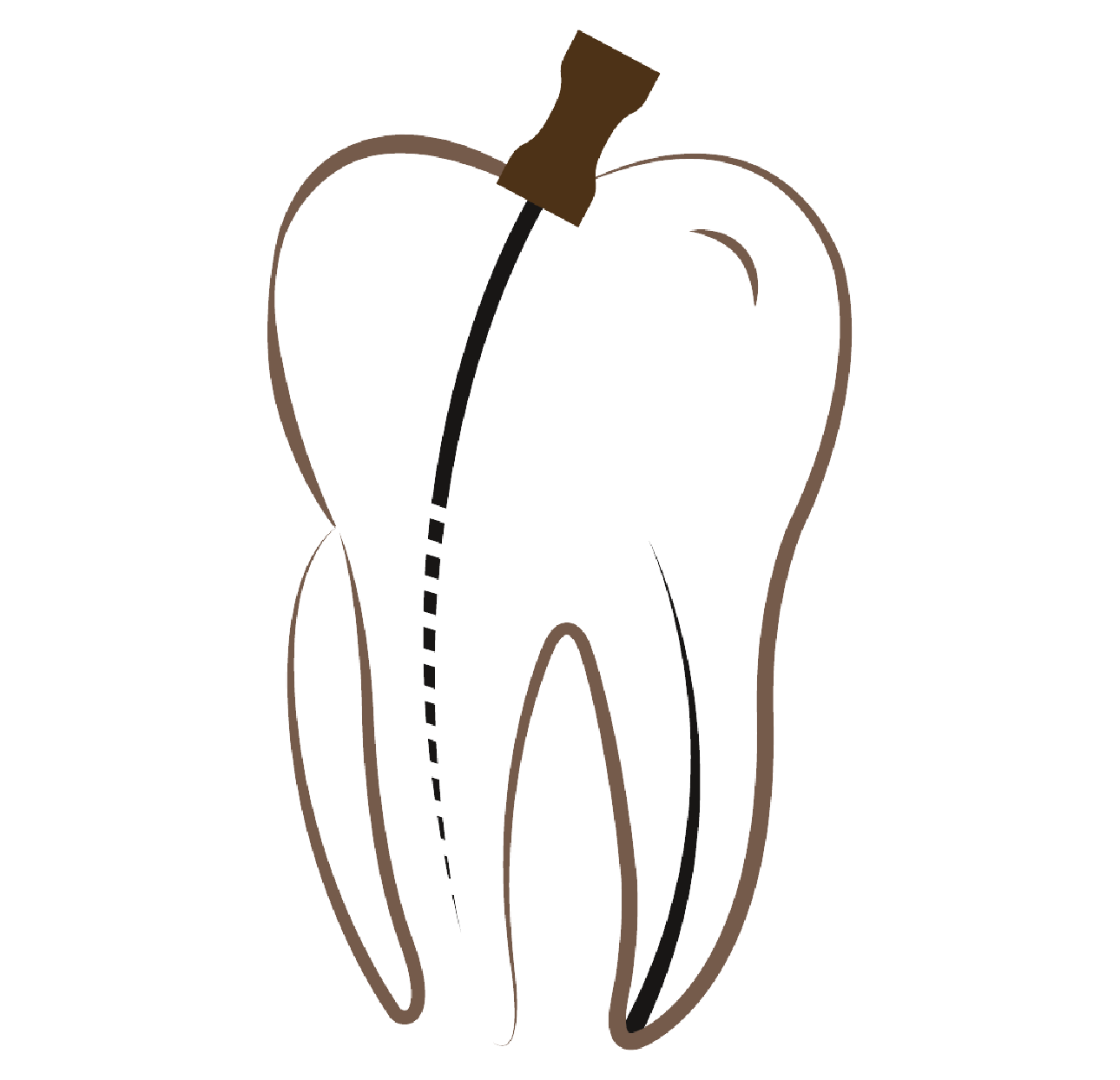
A root canal treatment is an endodontic procedure used to treat infection or any other damage in the pulp of the tooth. Pulp is the soft tissue located inside the center of the tooth and consists of nerves and blood vessels.
During the root canal procedure, the pulp that should be removed is being removed, and the tooth is being sealed.
When Do You Need a Root Canal?
There are several situations in which a root canal is needed:
- There is deep tooth decay and infection or inflammation of the pulp;
- The tooth is damaged with pulp involvement;
- There is constant tooth pain;
- Sensitivity to heat and cold lasts for a long time;
- Tooth infections or abscesses.
As a rule, after performing a root canal treatment, dentists use fillings or a dental crown for restoring the tooth.
The major benefit of a root canal treatment is that it allows saving the tooth.
What Is Tooth Extraction?
Tooth extraction is the act of removal of the tooth from the socket by the dentist when necessary. It might be needed when it is beyond repair, and if it is not removed it will adversely affect the health of the mouth.
This process might need a simple tooth extraction or a surgical tooth extraction, depending on the conditions of the tooth.
Why Is Tooth Extraction Required?
The dentist may suggest you remove the tooth in case:
- The tooth has decayed so much that it has lost its mass.
- It has fractured and is under the gums and cannot be repaired.
- The gums have been affected by gum disease and are weak.
- There is an infection that cannot be treated by saving the tooth.
- It is too damaged to treat with a predictable outcome.
Sometimes, there are also other reasons like orthodontics or impacted teeth to go for a tooth extraction.
The removal of the damaged tooth will help solve the problem, but you should understand what follows after it. Depending on the missing tooth, there are some replacement solutions to be suggested by the dentist.
Root Canal vs Tooth Extraction: Key Differences
Both procedures can help address dental problems, but the treatment process and long term effects are different.
|
Factor |
Root Canal |
Tooth Extraction |
|
Main purpose |
Treats infection inside the tooth while preserving it |
Removes the affected tooth |
|
Natural tooth |
Preserved |
Removed |
|
Recovery |
Mild discomfort may occur for a few days |
Recovery depends on the complexity of the extraction |
|
Follow up treatment |
A filling or crown may be required |
Tooth replacement may be recommended |
|
Effect on chewing |
Helps maintain natural chewing function |
Missing teeth may affect chewing, depending on their location |
|
Suitability |
Best when the tooth can be predictably restored |
Considered when the tooth cannot be saved or removal is necessary |
The right treatment depends on the extent of the damage, the condition of the surrounding tissues, and whether the tooth can be restored successfully.
Which Treatment Is Better for Your Tooth?
It really depends. There are instances when retaining your natural tooth through a root canal procedure would be the better choice if you have a tooth that still has sufficient healthy tooth structure left to work with.
There are also instances wherein the condition is already too serious for root canal therapy to be a viable treatment option.
The dentist will assess the tooth and determine if there is a need for dental X-rays to determine the extent of infection or damage done to your tooth.
When a Root Canal May Be the Better Choice
A root canal might be recommended when the tooth is healthy enough to be able to be restored.
Saving your own natural tooth will help keep your biting and chewing ability intact. Furthermore, it does not create any gap that would otherwise need replacement therapy.
When your dentist thinks that it would be possible to save the tooth, you should inquire about its prospects and future maintenance.
When Tooth Extraction May Be the Better Choice
Tooth extraction becomes necessary when the tooth has a severe fracture, extensive tooth decay, or is too weakened to have a restoration.
Sometimes, there are situations where other alternative treatments cannot achieve the desired success.
In case you need to extract a tooth, you should consult your dentist to know whether you will require replacement since missing teeth affect chewing, adjacent teeth movements, and overall bite.
Root Canal vs Tooth Extraction: What About Cost?
Costs of treatment vary depending on the condition of the tooth, type of the procedure performed, and post-treatment restoration requirements.
Root canal might incur extra charges due to the necessity of a crown being placed. Although extraction might look cheaper at first sight, in case of future necessity of a tooth replacement, the total costs may get higher.
In the case of comparing root canal treatment costs, one should consider costs of an entire treatment process. The same applies to the costs of tooth extraction treatment.
Your dentist will be able to discuss all the options with you and give an estimate of their costs after performing a thorough examination of your tooth.
What Happens After Treatment?
Recovery varies from person to person.
Following treatment by a root canal, there might be some sensitivity around the treated area for a few days. You should follow your dentist’s instructions and have your teeth restored properly to protect them.
After an extraction, there may be some swelling, pain, and slight bleeding. It is essential that you follow all the after-care instructions to ensure proper healing. Be careful not to disturb the blood clot at the extracted site since this could lead to a painful condition called dry socket.
Please contact your dentist if the pain is getting worse or if any other symptoms occur.
Where Can You Get Dental Advice in Bangalore?
If you experience toothache, swelling or sensitivity, a dental exam would reveal if there is hope of saving your teeth.
At Dental Avenue of Bangalore, you could get to know the details of your dental problem and the possible treatments for it. The dentist would examine your teeth and provide all necessary information regarding the benefits and costs associated with every possible treatment.
Learn More About Dental Services at Dental Avenue
Final Thoughts
The decision between having a root canal or tooth extraction is based on the status of your tooth and whether you can achieve a good result through either procedure.
Having a root canal allows you to save your natural tooth when it’s treatable. The extraction of the tooth becomes necessary when it can’t be salvaged. Neither method is always the right choice for each individual.
When you have problems with your tooth, don’t ignore the symptoms. An early visit to the dentist can save your tooth from further complications and provide you with more options.
Discuss your situation with a professional at Dental Avenue and select the procedure that will be best for you.