
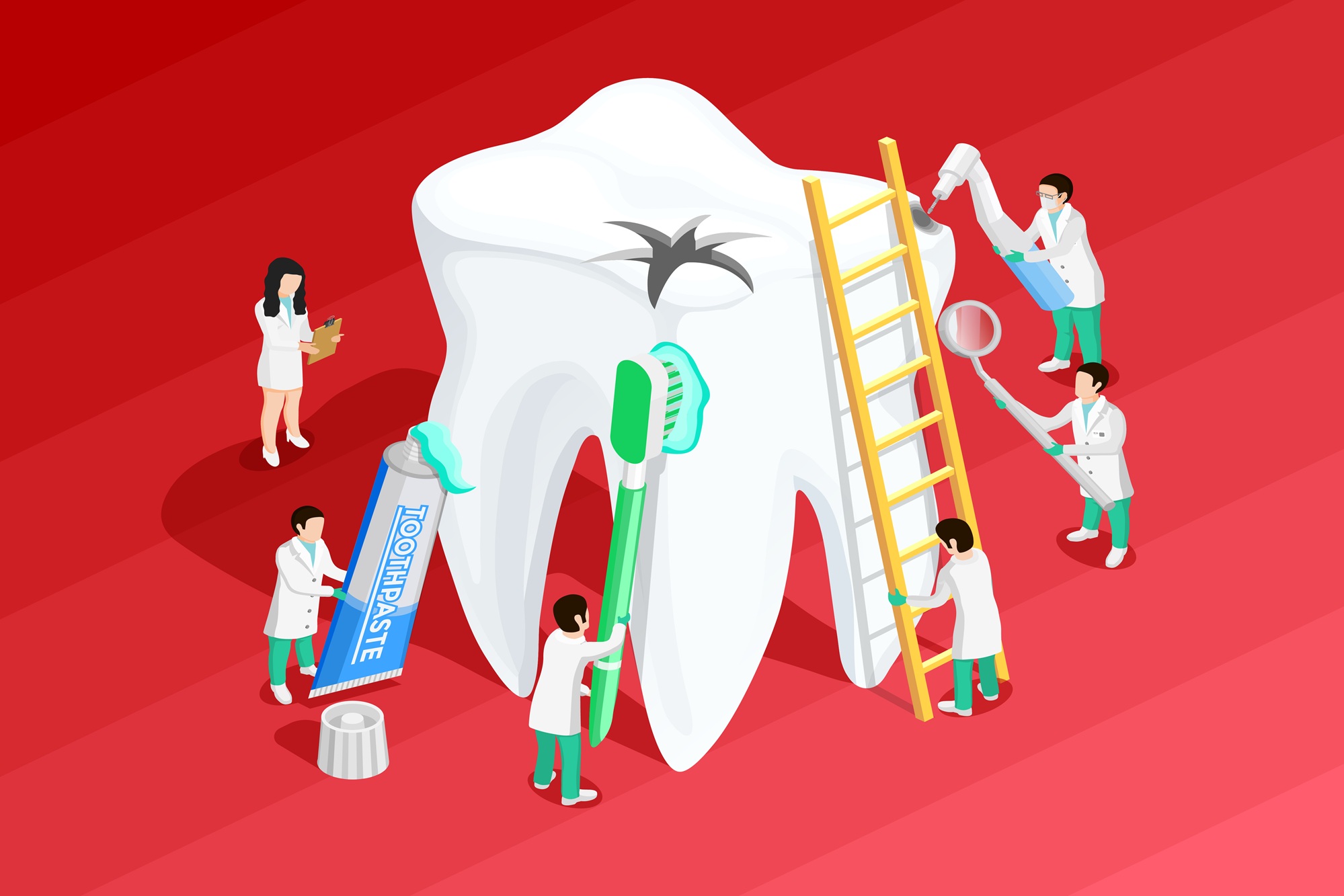
It is rare for a problem to show up suddenly, particularly in your mouth. They tend to occur gradually, causing no pain until the situation gets to a level where it needs to be addressed. And here is the good part; all common dental problems can be easily prevented or treated if they are detected earlier.
The following are the most common dental problems we treat and what you should know about them.
Tooth Decay and Cavities
Tooth decay is the most commonly found condition of all dental conditions among people of all ages. It happens due to the presence of certain bacteria in the mouth which degrade the sugars in food and produce acids which eat away the tooth enamel.
Dental Avenue treats cavities by filling up the decaying tooth with fillings which not only help in maintaining the functionality but also look good. The earlier detection of cavities will make the process easier, faster, and more non-invasive. The program of preventive dentistry is meant to detect tooth decay at the earliest stages of its development.
Gum Disease (Periodontitis)
Gum disease is one of the major reasons behind the loss of teeth among adults but usually remains undetected at the early stage. Gum disease starts with gum inflammation and bleeding while brushing and develops into periodontitis if it is not treated and the infection extends to the bone that supports the teeth.
Treatment includes deep cleaning of the mouth and gums that help remove bacterial plaque from below the gum line where normal brushing does not reach.
Tooth Sensitivity
If you experience sensitivity to hot or cold food or drinks, this means that the protective outer coating of your tooth enamel or the surface of the root, is damaged. The reasons for that can be enamel decay, recession of gums, micro-fractures or decay.
The method of treatment will depend on the underlying reason. In many cases, it would be enough to perform teeth cleaning and desensitization. In other cases, it will require filling, crown or gums treatment.
Toothache and Dental Infections
An incessant toothache generally indicates that something needs to be done about the condition that could range from a deep cavity to a cracked tooth or an infection in the tooth's pulp. A dental infection, if left untreated, can become more serious than just the tooth itself and will need further treatment.
The Root canal treatment is the usual procedure that is used for treating an infected pulp; the infected part is removed, the canal cleaned and the tooth sealed to prevent future infection. At Dental Avenue, the root canal process is carried out without any pain due to advances in technology.
Missing Teeth
The loss of a tooth is not only an aesthetic problem, but it results in changes in the bite, movement of neighboring teeth, and loss of bone density. Whatever the reason, be it caries, injury, or extraction, it is important to replace the lost tooth in order to protect other teeth and maintain facial integrity.
Dental implants are the most lasting and aesthetically pleasing option for tooth replacement, followed by crowns and bridges
When to See a Dentist
If there is any pain, sensitivity, swollen gums, or bleeding in your teeth or gums, even when the symptoms are small, it is wise to visit a dentist. At Dental Avenue, we have a specialized team that will give you an evaluation and will advise you honestly on what to do.
Book your appointment at Dental Avenue, your trusted dental clinic in Brookefield Bangalore.
Frequently Asked Questions
1. How often should I visit a dental clinic for a check-up?
Visit your dentist every six months for a routine examination and professional cleaning to maintain good oral health.
2. Can dental problems be detected before they become painful?
Yes. Regular dental check-ups can identify cavities, gum disease, and other issues before they cause pain or complications.
3. What should I do if I have a sudden toothache?
Rinse your mouth with warm water, avoid chewing on the affected side, and schedule a dental appointment as soon as possible.
4. How do I know if I need a filling or a root canal?
A dental examination and X-rays help determine the right treatment based on the severity of the decay or infection.
5. Is professional teeth cleaning really necessary?
Yes. Professional cleaning removes plaque and tartar that brushing and flossing cannot eliminate.
6. What dental symptoms should I never ignore?
Persistent tooth pain, bleeding gums, swelling, bad breath, loose teeth, and sensitivity should be evaluated by a dentist.
7. Can missing teeth affect my oral health?
Yes. Missing teeth can affect chewing, speech, tooth alignment, and jawbone health if left untreated.
8. What happens during my first dental visit?
Your first visit includes an oral examination, diagnosis, digital X-rays if needed, and a personalized treatment plan.
9. How can I prevent common dental problems?
Brush twice daily, floss regularly, limit sugary foods, and visit your dentist every six months.