


Tooth pain is a very common dental complaint. And while slight discomfort can sometimes resolve on its own, persistent or severe pain may be a symptom of an underlying issue inside the tooth. In many cases, it happens when bacteria get into the pulp of the soft tissue in the center of a tooth.
In such situations, dentists might suggest root canal treatment for tooth pain to eliminate the infection and preserve the natural tooth. Failing to treat the infection can lead to it spreading and causing more serious dental infections. Patients requiring root canal treatment in Brookefield Bangalore can get professional care from clinics like Dental Avenue.
What Is Root Canal Treatment?
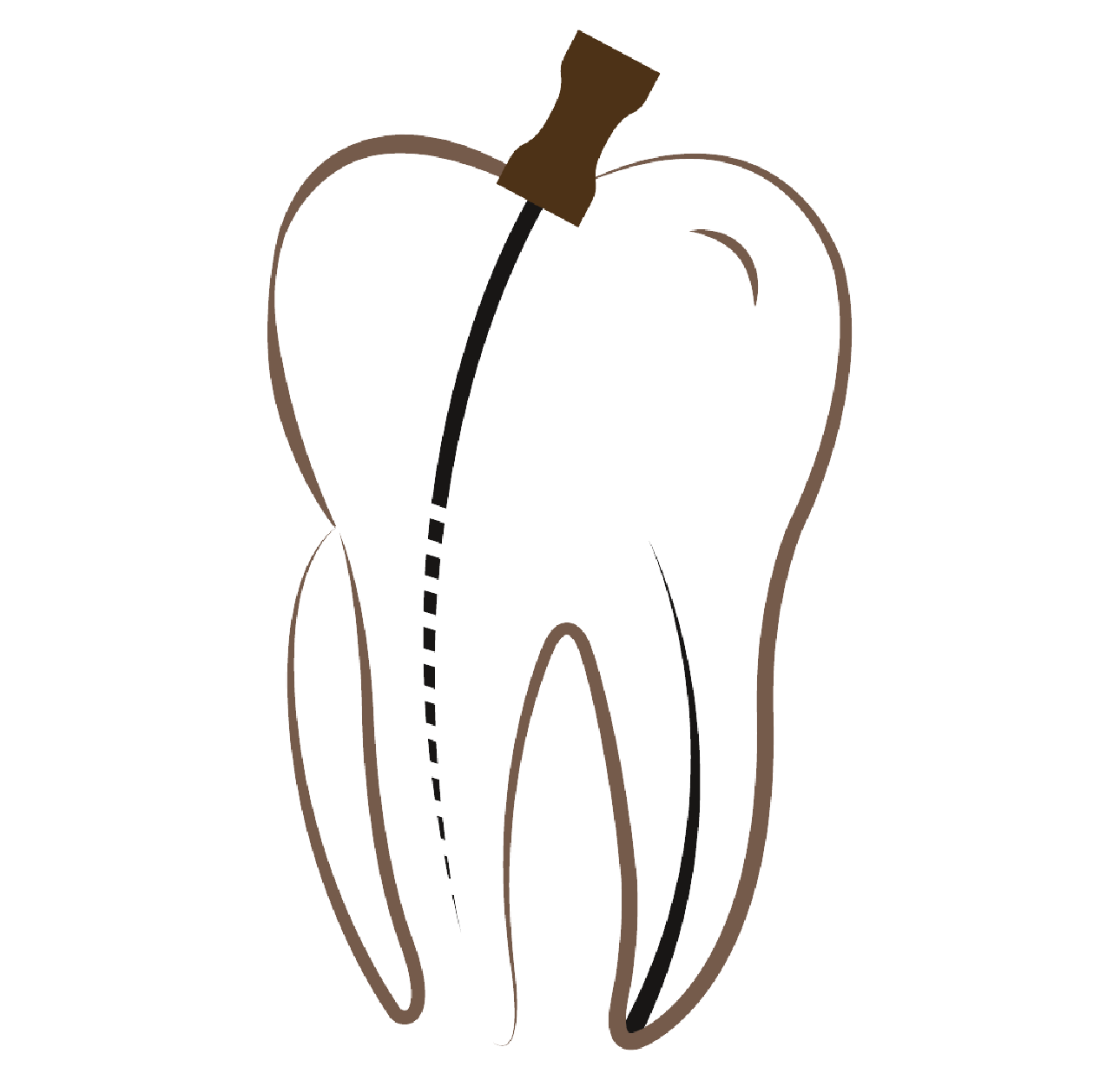
This involves a dental procedure called Root Canal treatment, which is used to treat the infection at the centre of the tooth. When the pulp gets infected because of deep cavities, cracks, or trauma, then it may be important to remove that infected tissue so as not to allow bacteria to spread.
Rather than extracting the entire tooth, this procedure cleans out the infected area and brings back the tooth’s functionality.
The root canal procedure for toot pain often includes:
- Extraction of the infected pulp from the tooth
- Clearing the inner canals and disinfecting them
- Placing gutta-percha material and sealers into the canals to keep them free of infection
- Purpose of restoring the tooth with a crown for strength
Fortunately, modern dental techniques make this treatment safe and comfortable for the majority of patients.
Severe Tooth Pain: One of the First Signs You May Need a Root Canal
Intense or recurrent tooth pain is usually among the first signs of a more serious dental issue. The pain can arise when chewing, biting or even when not at use of the tooth.
If for several days the discomfort persists or is even worse, it may mean that the nerve inside the tooth is infected. Tooth Pain Root canal treatment is often suggested by dentists to treat extreme problems in teeth, to eliminate the infection and provide ease.
Quick diagnosis may prevent the complication from worsening and save your natural tooth.
Other Common Signs That Indicate You May Need Root Canal Treatment
There are a few more symptoms that may indicate that tooth infection is developing. Being aware of the warning signs can allow you to get treatment at the appropriate time.
Sensitivity to Hot and Cold
Persistent sensitivity to hot or cold foods and beverages may signal nerve damage inside the tooth.
Swollen or Tender Gums
Pain or swelling localized around a tooth may indicate that infection is now at the root of your tooth.
The tooth be darkening or discoloration
A tooth that darkens in color compared to the teeth around it can signal damage to its inner pulp.
Sensitivity to Chewing or Pressure on the Tooth
If you feel discomfort with biting or applying pressure to the tooth it may indicate that the inner tissue is inflamed or infected.
These and other symptoms usually signal the need for a dentist’s care.
What Causes Tooth Infection That Leads to Root Canal Treatment?
These infections typically occur when bacteria reach the inner pulp of the tooth. This can occur for a few reasons.
Common causes include:
- Deep dental caries or untreated cavities
- Cracked or chipped teeth
- Multiple Dental Treatments on the Same Tooth
- Injury or trauma to the tooth
When bacteria have the opportunity to invade the pulp in these circumstances, infections can result as well, leading to painful and inflamed tissues that often necessitate treatment for infected tooth pain via a root canal procedure.
When Should You Visit a Root Canal Specialist in Brookefield Bangalore?
If you are experiencing chronic pain in a tooth, swelling of the gums, or sensitivity to tooth (above normal), please see your dentist as soon as possible. Infection if untreated can spread to adjacent teeth or gums, early detection in this case is very important.
Patients experiencing these symptoms can get in touch with experienced dentists at Dental Avenue, who offer reliable tooth pain root canal treatment using modern methods and advanced dental equipment in Brookfield Bangalore.
Why Early Treatment Is Important
Timely treatment of a dental infection key to avoiding major complications. If treatment is delayed, the infection may spread further into the tooth and surrounding tissues.
Advantages of Timely Root Canal Treatment
- Eases extreme mouth pain and discomfort
- Prevents the infection from spreading to other teeth
- Cherish the natural tooth structure
- Resumes normal chewing and biting action
The sooner you get treatment, the simpler and more effective your recovery will be.
Conclusion
Some common warning signs of a potential tooth infection are constant pain in the tooth, sensitivity to hot or cold temperatures, swelling of the gums, discoloration of the affected tooth and pain when chewing. Neglecting such symptoms may cause more serious dental problems in the long-run.
If you see any of these signs, an early visit to the dentist would be able to save your oral health. Getting the correct diagnosis and timely care can ease pain and help stop damage to your teeth.
Frequently Asked Questions
1. How do I know if I really need a root canal treatment?
If you have constant tooth pain, sensitivity to hot or cold, swollen gums, or pain while chewing, these could be signs of infection. A dentist can confirm if a root canal is needed.
2. Is root canal treatment painful?
Modern root canal treatment is usually not painful. With advanced techniques and anesthesia, most patients feel little to no discomfort during the procedure.
3. Can tooth pain go away without a root canal?
Mild pain may go away temporarily, but if the pulp is infected, the problem will not heal on its own. Delaying treatment can make the condition worse.
4. How long does a root canal procedure take?
A root canal typically takes 1 to 2 visits depending on the severity of the infection and the condition of the tooth.
5. What happens if I delay root canal treatment?
Delaying treatment can allow the infection to spread to nearby teeth and gums. This may lead to severe pain, swelling, or even tooth loss.