
Losing one or more teeth can affect your confidence, speech, and ability to eat comfortably. Fortunately, modern dentistry offers effective solutions to restore your smile. Two of the most common options are dental implants and dentures. While both replace missing teeth, they differ significantly in comfort, durability, appearance, and long-term benefits.
If you're deciding between dental implants vs dentures, understanding how each option works can help you make an informed choice.
What Are Dental Implants?
Dental implants are artificial tooth roots made from biocompatible titanium. They are surgically placed into the jawbone, where they naturally fuse with the bone through a process called osseointegration. Once healed, a custom-made dental crown, bridge, or denture is attached to the implant.
Dental implants closely resemble natural teeth in both appearance and function, making them one of the most reliable long-term tooth replacement solutions.
What Are Dentures?
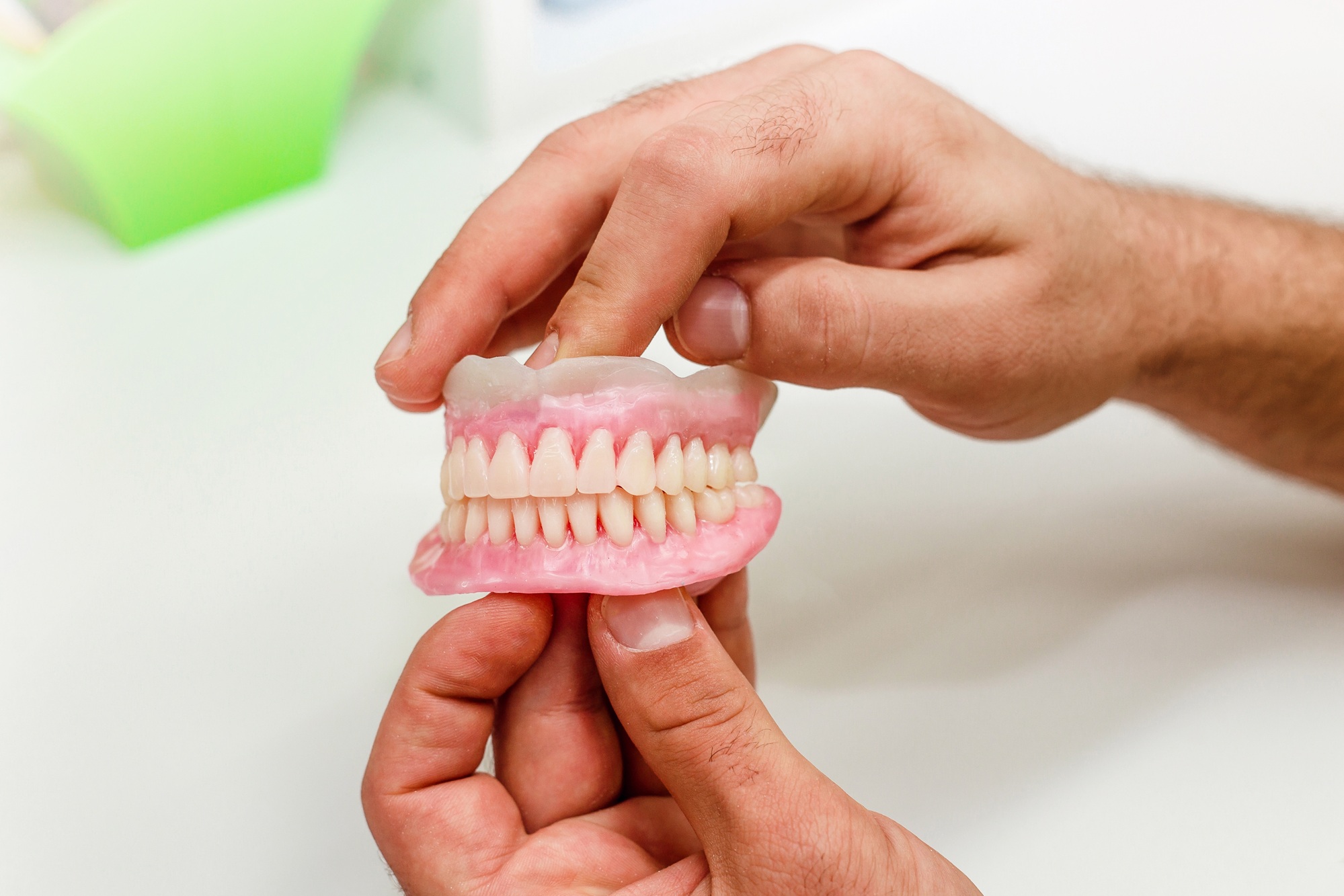
Dentures are removable appliances designed to replace missing teeth and surrounding gum tissue. They are available as complete dentures for patients missing all teeth or partial dentures for those with several missing teeth.
Modern dentures are more comfortable and natural-looking than ever before, but they rest on the gums rather than integrating with the jawbone.
Dental Implants vs Dentures: Key Differences
|
Feature |
Dental Implants |
Dentures |
|
Stability |
Fixed and secure |
Removable |
|
Appearance |
Looks like natural teeth |
Natural-looking but removable |
|
Comfort |
Feels like natural teeth |
May require adjustment |
|
Jawbone Health |
Helps preserve bone |
Does not prevent bone loss |
|
Lifespan |
Can last decades with proper care |
Typically replaced every 5–10 years |
|
Maintenance |
Brush and floss like natural teeth |
Daily removal and cleaning required |
Benefits of Dental Implants
Dental implants offer several advantages over traditional dentures:
- Restore natural chewing ability
- Help preserve jawbone density
- Prevent nearby teeth from shifting
- Look and feel like natural teeth
- Do not require adhesives
- Can last for many years with proper oral care
Benefits of Dentures
Dentures remain a suitable option for many patients, particularly those seeking a non-surgical solution.
Benefits include:
- Lower initial cost
- Replace multiple missing teeth
- Non-invasive treatment
- Faster treatment timeline
- Easy to repair or replace if needed
Which Option Is Better?
The right choice depends on your oral health, bone condition, budget, and personal preferences.
Dental implants are often recommended for patients looking for a permanent, stable, and natural-feeling solution. Dentures may be suitable for individuals who are not candidates for implant surgery or who prefer a removable option.
A comprehensive dental examination, including digital X-rays, helps determine which treatment is best for your individual needs.
Factors to Consider Before Choosing
When comparing dental implants vs dentures, consider:
- Number of missing teeth
- Jawbone health
- Overall medical condition
- Budget
- Lifestyle
- Long-term maintenance
- Desired comfort and appearance
Your dentist will evaluate these factors before recommending the most appropriate treatment plan.
Can Dentures Be Replaced with Dental Implants?
Yes. Many patients who currently wear dentures later choose implant-supported restorations for improved comfort and stability. Implant-supported dentures reduce movement while speaking and eating and help preserve the jawbone over time.
Final Thoughts
Choosing between dental implants and dentures is an important decision that can impact your oral health and quality of life for years to come. While dentures provide an affordable and effective way to replace missing teeth, dental implants offer superior stability, functionality, and long-term benefits.
Consulting an experienced implant dentist is the best way to determine which treatment option suits your oral health goals. A personalized treatment plan ensures you receive the solution that restores both your smile and your confidence.
Frequently Asked Questions
1. Which lasts longer, dental implants or dentures?
Dental implants can last decades with proper care, while dentures typically need replacement every 5 to 10 years.
2. Are dental implants more comfortable than dentures?
Yes. Dental implants feel and function like natural teeth because they are securely fixed in the jawbone.
3. Can I eat all foods with dental implants?
Most patients can enjoy almost all foods after the implant has fully healed.
4. Do dentures affect speech?
New dentures may temporarily affect speech, but most people adjust with practice.
5. Can dentures be replaced with dental implants later?
Yes. Many patients switch from removable dentures to dental implants for improved comfort and stability.
6. Which option looks more natural?
Both can look natural, but dental implants closely mimic the appearance and function of real teeth.
7. Are dental implants suitable for seniors?
Yes. Healthy adults of almost any age can be good candidates for dental implants after a dental evaluation.
8. Do dental implants require special care?
No. Brush, floss, and visit your dentist regularly, just as you would with natural teeth.
9. Can dentures damage the jawbone?
Dentures don't damage the jawbone, but they cannot prevent the bone loss that naturally occurs after tooth loss.
10. How do I know whether implants or dentures are right for me?
A dental examination, including X-rays and an assessment of your oral health, helps determine the best option for your needs.